There are moments in a career that catch you completely by surprise. Hearing my name announced as the inaugural recipient of the NACUFS Paul Fairbrook Spirit of Service Award was one of those moments.
I knew the caliber of the other finalists, so I went into the National Association of College & University Food Services National Conference in New Orleans with realistic expectations. When my name was called, I was genuinely stunned.
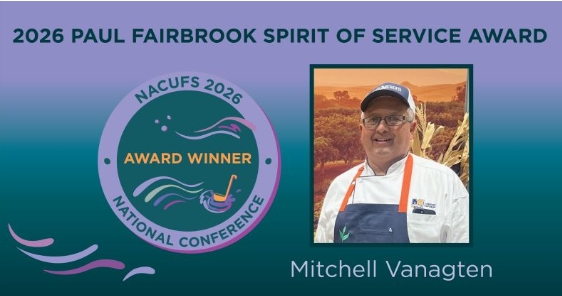
The significance of the award became even greater as I learned more about Paul Fairbrook and his legacy. A founding member of NACUFS, Paul helped shape collegiate foodservice through a career grounded in compassion, leadership and service. The award created in his honor recognizes people working directly in campus dining who make an impact through leadership, creativity, collaboration and a commitment to serving others.
As someone who has spent more than two decades at UC Merced trying to use food as a way to connect people, create opportunities and strengthen our community, I couldn’t imagine a more meaningful recognition.
But one of the things I appreciate most about NACUFS is that these awards aren’t about any one individual or university. They provide an opportunity to see the incredible work happening in collegiate dining across the country.
Throughout the conference, institutions and individuals were recognized for culinary excellence, sustainability, nutrition and wellness, innovative dining programs, leadership and service. I encourage anyone working in our industry to spend some time looking through the 2026 NACUFS Award winners and their submissions. There are some remarkable programs represented, and plenty of ideas worth learning from and celebrating.
Explore the 2026 NACUFS Awards & Recognition
Another Reason to Celebrate UC Merced
I was also incredibly proud to see UC Merced Dining receive a Bronze Award in the Diversity, Equity & Inclusion/Social Justice category for our Honoring Indigenous Foodways: A Fireside Chat with Chef Sean Sherman program.
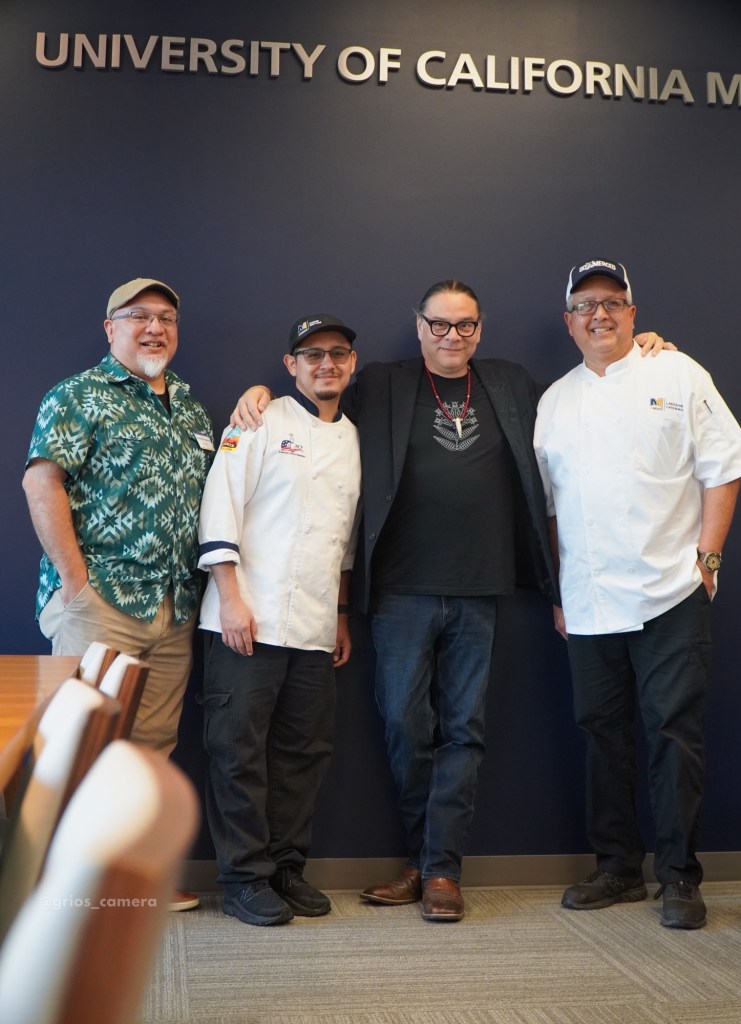
That recognition means a great deal to me because it represents what we’ve been trying to accomplish with our Food for Thought programming: using food as an entry point into larger conversations about culture, history, sustainability, identity and belonging.
The Chef Sean Sherman program brought students, faculty, staff and members of the Central Valley community together to explore Indigenous foodways and food sovereignty through food, music and conversation. Seeing that work recognized alongside outstanding programs from other universities was another reminder of how far our relatively young campus has come.
A Couple of Recommendations from Chef Mitch
You can’t hold a conference in New Orleans and not talk about the food.
Two restaurants particularly stood out to me, and interestingly, both come from the same restaurant family.
Pêche Seafood Grill was a favorite. Its focus on Gulf seafood and live-fire cooking is exactly the type of cooking I appreciate—excellent ingredients, thoughtful technique and food that doesn’t need to be overly complicated. Pêche describes its approach as combining Southern live-fire traditions with influences from elsewhere, with much of the seafood cooked over an open hearth.
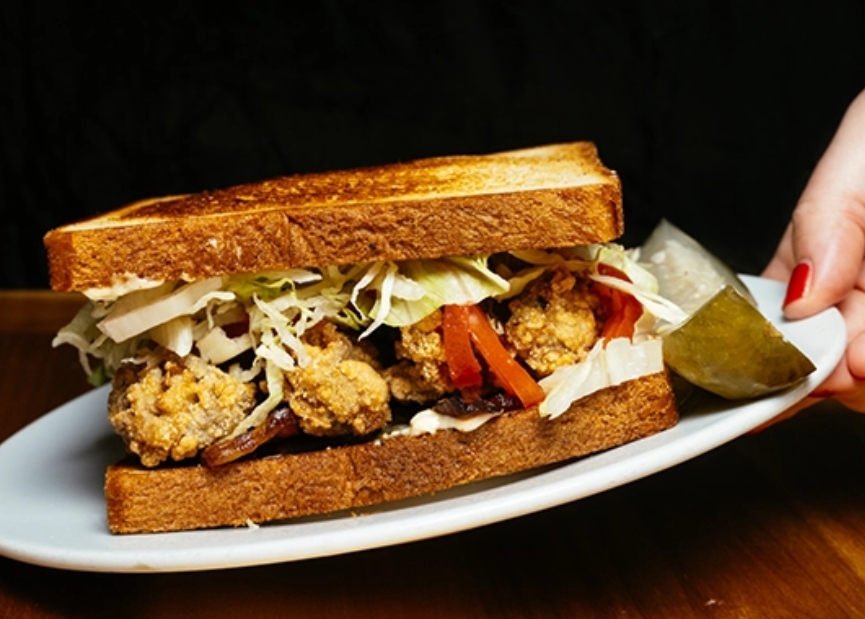
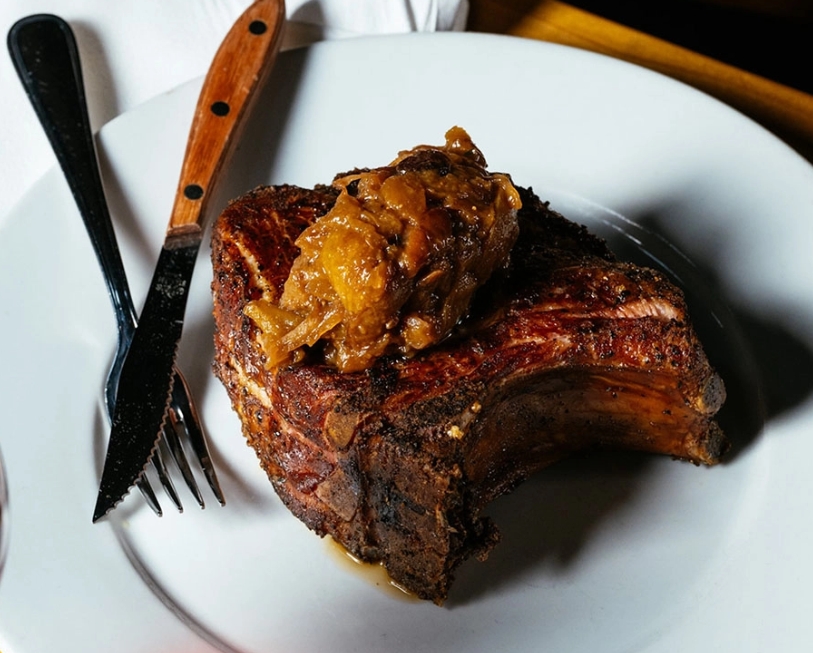
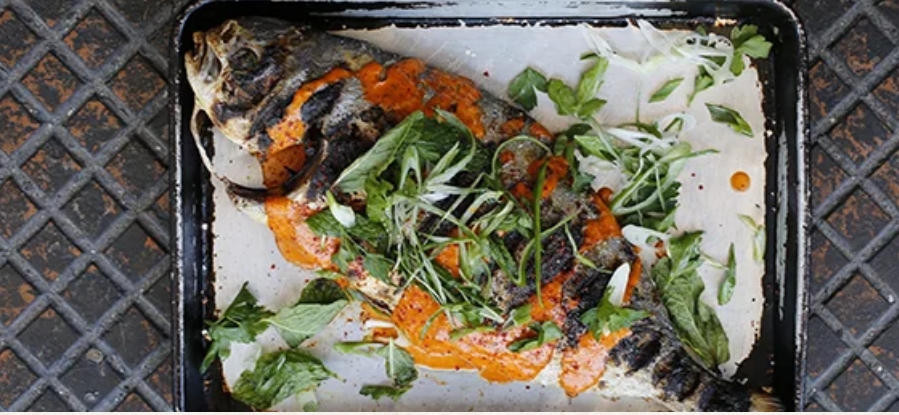
Then there was Cochon, where chefs Donald Link and Stephen Stryjewski celebrate traditional Cajun and Southern cooking using locally sourced pork, produce and seafood. It’s rustic, ingredient-driven food rooted in the culinary traditions of Louisiana.
For chefs visiting New Orleans, I’d highly recommend both. They’re different experiences, but they share something I value in cooking: respect for ingredients, a sense of place and a clear connection between the food and the people and culture behind it.
Make Time for Something Besides Food
My other recommendation has nothing to do with restaurants.
If you’re visiting New Orleans, make time for The National WWII Museum.
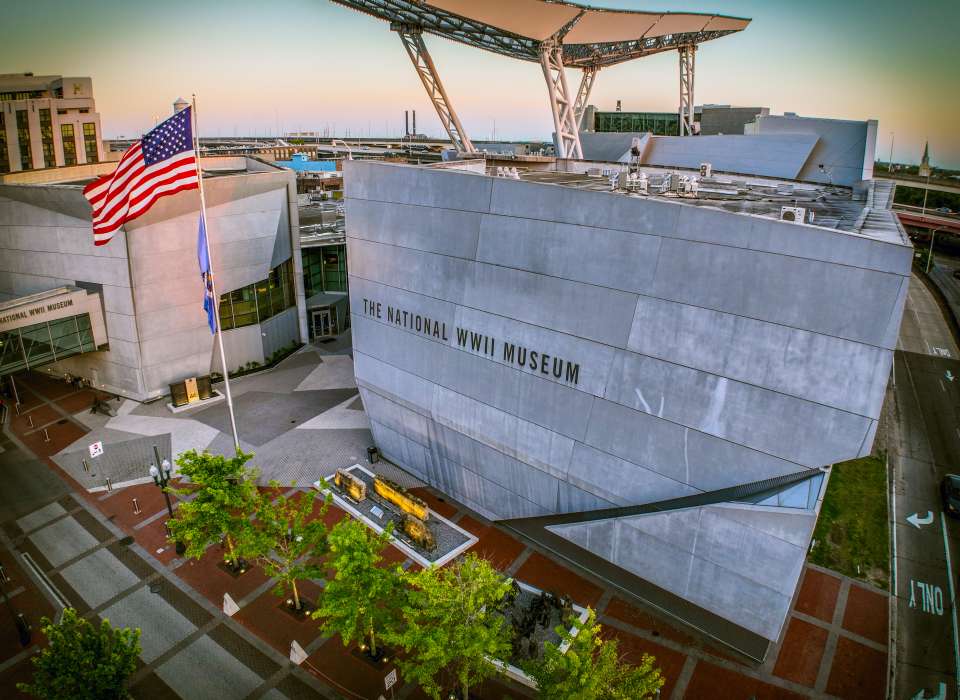
I highly recommend it.
The museum uses artifacts, oral histories, multimedia experiences and immersive exhibits to tell the story of the American experience during World War II. It’s an enormous museum—you could easily spend a significant portion of a day there—and it’s one of those places that stays with you after you leave.
For me, experiences like that are another important part of traveling for conferences. Yes, we’re there to learn professionally and connect with colleagues, but there’s also value in stepping outside the conference and learning something about the history, food and culture of the place we’re visiting.
Coming Home Inspired
I returned from New Orleans incredibly grateful.
Grateful to NACUFS for creating opportunities for collegiate dining professionals to learn from and celebrate one another. Grateful to the people who nominated and supported me for the Paul Fairbrook Spirit of Service Award. Grateful to my colleagues and campus partners at UC Merced who continue to say yes when I come to them with another idea.
And grateful that, after all these years in this profession, I can still travel somewhere, taste something new, watch another chef cook, hear someone’s story and come home inspired.
Receiving the inaugural Paul Fairbrook Spirit of Service Award will always be one of the proudest moments of my career. But perhaps the best way to honor an award centered on service is not to spend too much time looking backward.
It’s to ask:
What can we do next?


