When most people think of a chef as an educator, the image is often limited to traditional culinary training—knife cuts, sauces, mise en place, or plating techniques. While those skills remain foundational, I believe the role of a chef as teacher can, and should, reach much further. Food is one of the most universal entry points into culture, sustainability, and community—and chefs are uniquely positioned to help others make these connections.
In my work at UC Merced and across the Merced community, I’ve seen firsthand how the chef’s role can extend into education about the food system, sustainability, and even the arts. By treating the kitchen as a classroom, I’ve been able to design programs that inform, inspire, and build bridges between people and the land that feeds them.
Food Waste & Sustainability as Teaching Tools
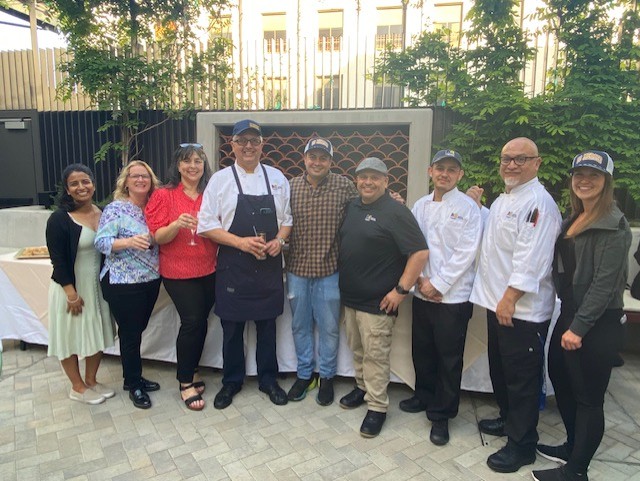
One of the programs I’m most proud of is our Salvage Social Hour, a fundraiser built around the idea of turning “ugly produce” and rescued food into beautiful, delicious dishes and cocktails. These events educated guests on the issue of food waste while raising thousands of dollars for local causes—at zero cost. Chefs demonstrated how bruised tomatoes could become refreshing sangrias, or parsley stems could add depth to an appetizer. Guests didn’t just eat; they learned, and they left with a new perspective on how food can be valued differently.

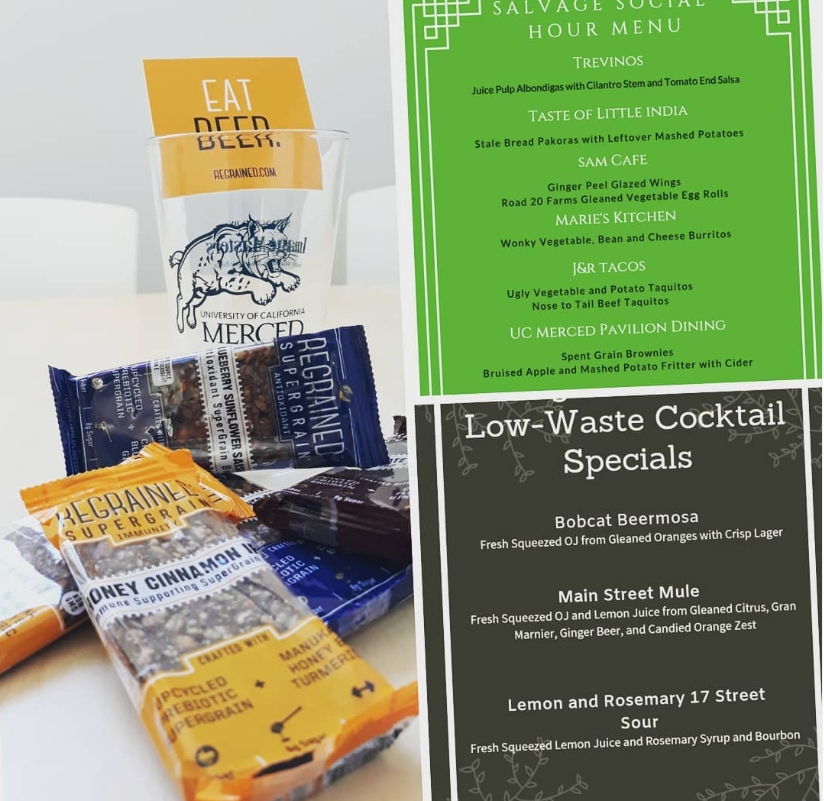

We’ve also embraced sustainability in daily operations: sourcing from local farms, working toward 100% organic catering, and introducing plant-forward menu strategies. Each of these decisions isn’t just about food quality—they become case studies for our staff, students, and the community on how purchasing choices ripple outward to impact health, climate, and farmers.
Local Food Systems in Action
Our Farm-to-Campus program with Restore Merced Farms brings freshly picked cucumbers, peppers, and heirloom tomatoes directly into our dining centers. By inviting farmers to share their stories with students, we transform a meal into a lesson in seasonality, agriculture, and food justice.

Partnerships with producers like Coke Farms, Permanent Ag, and CreamCo Meats further highlight regenerative agriculture and equitable food systems. At events and panels, students don’t just hear about these concepts in abstract terms—they taste them on their plates and meet the people behind the food.
The “Food for Thought” Series: Beyond Culinary Boundaries
With support from UC Merced’s Division of Equity, Justice, and Inclusive Excellence (EJIE), I launched the Food for Thought speaker series, which has grown into a platform that goes well beyond cooking.
We’ve welcomed a remarkable lineup of voices:
- Chef Ed Porter, whose documentary The Food That Fuels and panel discussions connected Central Valley farmers’ stories with national conversations on food justice.
- Dr. Claudia Serrato, Indigenous culinary anthropologist, who brought ancestral recipes and cultural storytelling into the dining halls, reminding us that food is living heritage.
- Arthur Moye III, Black brewery owner, who shared the intersection of entrepreneurship, culture, and craft beer.
- Ross Koda of Koda Farms, Brenae Royal of Monte Rosso Vineyard, and Natalie Baszile, author of We Are Each Other’s Harvest—each offering lessons in farming, wine, and literature.
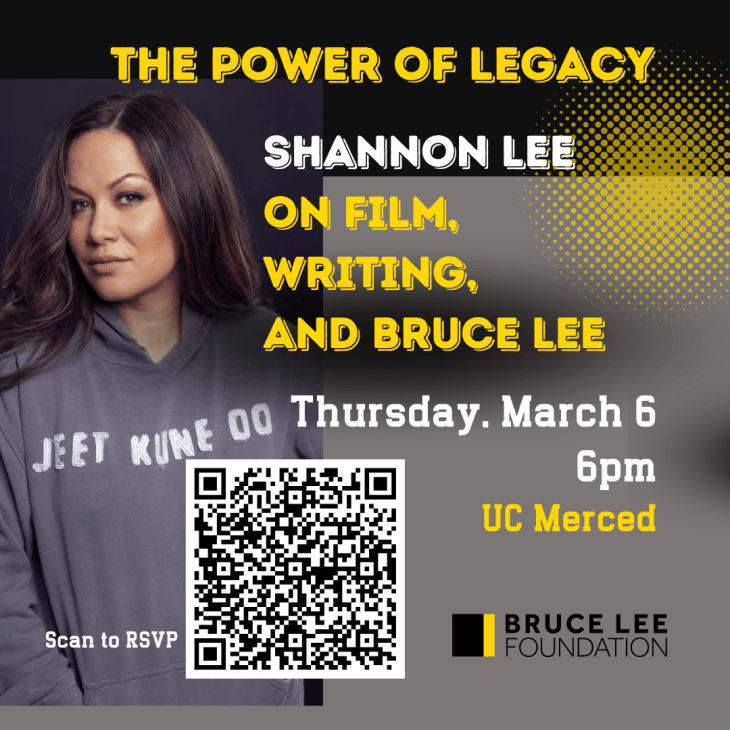
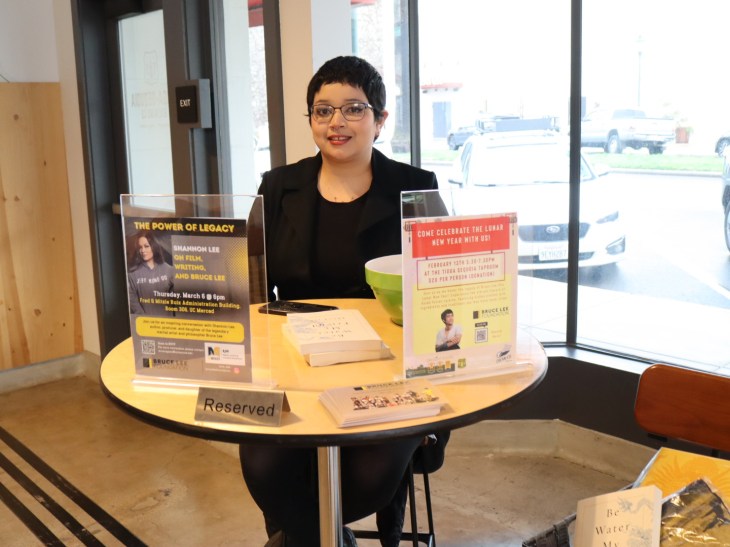
- Upcoming: Shannon Lee, daughter of Bruce Lee, who will connect her father’s philosophy with creativity, resilience, and her work in film, writing, and the Bruce Lee Foundation.
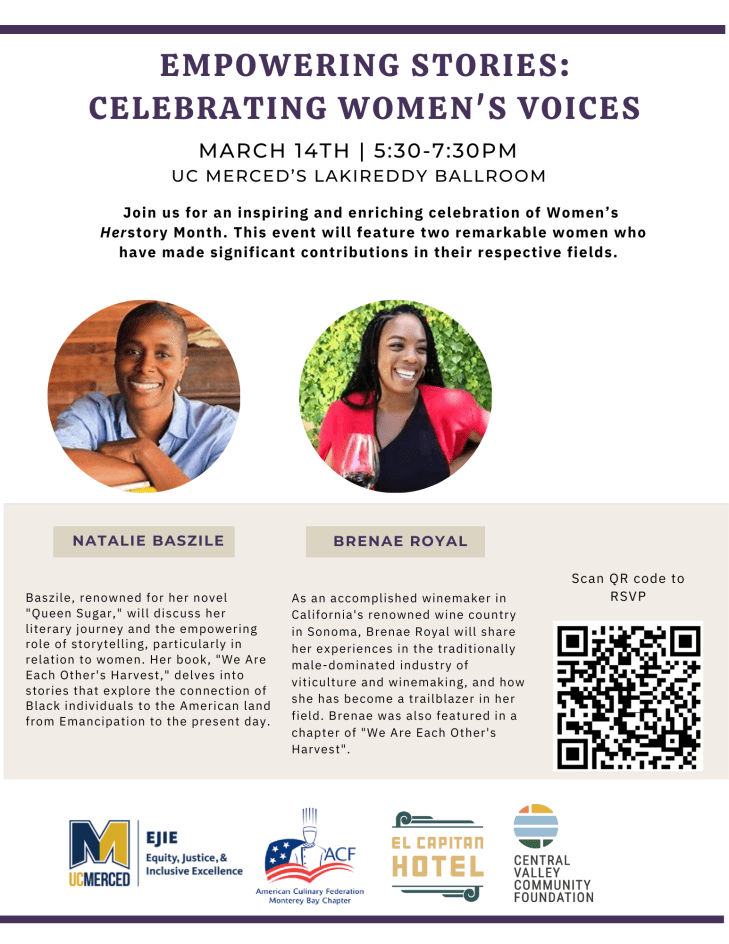
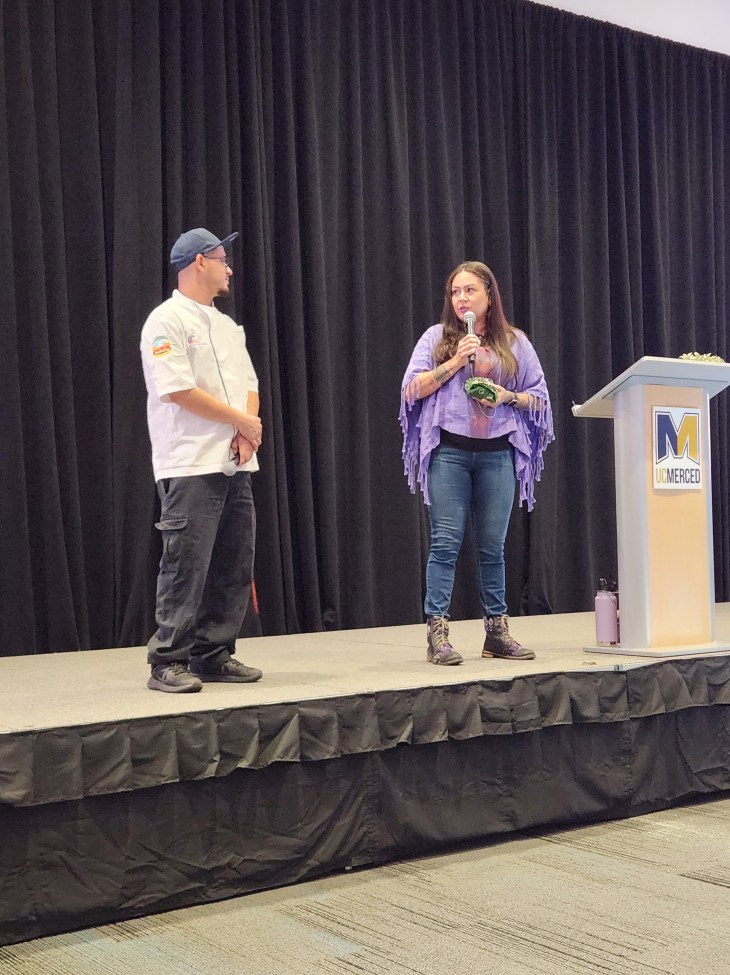


The scope has grown far beyond cooking demonstrations. We’ve used food as a lens to explore art, film, entrepreneurship, brewing, winemaking, and cultural identity—showing students and the broader community that the food system intersects with nearly every aspect of life.
Celebrating Our Team’s Work and Recognition
One of the main reasons I started this blog is to share the stories of what my colleagues, fellow chefs, and I are doing here in the Central Valley and beyond. We are doing amazing work—much of it without the recognition it truly deserves—and I believe it’s important to acknowledge and validate the efforts of our team.
This work has always been a team effort. While I’ve taken on the role of writing nominations, the awards and recognitions we’ve received belong to every member of our culinary family. In the past few years, our department has earned four NACUFS awards—including a Gold in Outreach and Education, which affirmed that our Food for Thought programming is not just creative but also a valid and impactful form of education. We’ve also been honored with two Silver awards and one Honorable Mention.

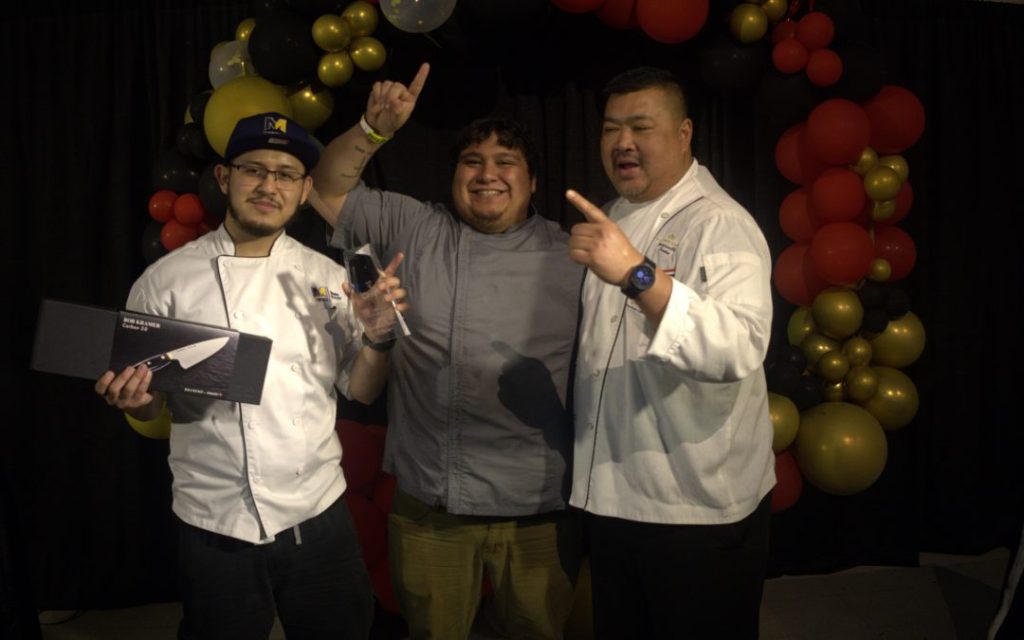

Our reach has gone beyond NACUFS as well. One of our chefs earned the National IFPA Chef of the Year Award in the University category, and a colleague I nominated at UC Davis Health won the IFPA Chef of the Year in the Hospital category. Our culinary team has also made it to the finals of both the ACE Catersource Awards for Sustainability in Catering and the Culinary Institute of America’s Repurposed Solutions Competition—putting UC Merced and the Central Valley on the national stage.
Locally, our chefs have shined as well, winning a CASA culinary competition, a Burgers and Brew contest, and a CHESC award for a food rescue and donation initiative we started. On a personal note, I’ve been deeply humbled to be recognized twice by the Monterey Bay American Culinary Federation—first with the President’s Award, and most recently as Chef of the Year.
Each recognition, whether national or local, is a reminder of what we are capable of when we combine our talents and values. I carry a deep sense of pride and gratitude for this team and for the opportunity to highlight their work. It is proof that our commitment to sustainability, education, and community resonates far beyond our own kitchens.
Giving Back Through Community Fundraising
Beyond competitions and awards, our team has always believed in the power of food to give back. Over the past several years, we’ve hosted zero-cost fundraisers that brought in more than $12,000 for local causes, from the UC Merced Bobcat Pantry to the Bruce Lee Foundation.
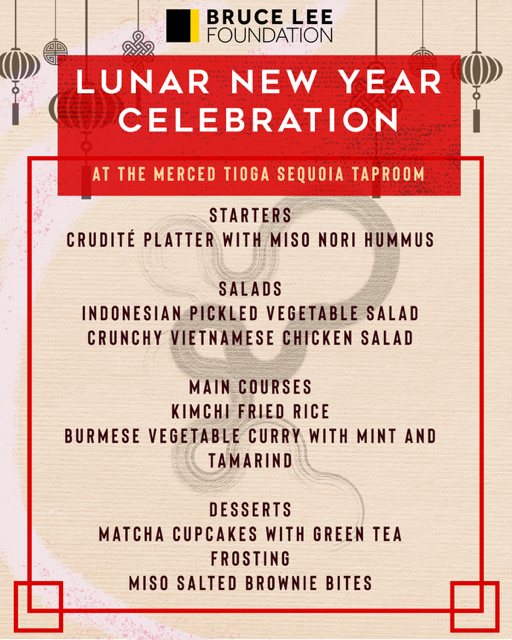
Events like the Salvage Social Hour educated guests about food waste while raising money for student food security. Most recently, we hosted a fundraiser for the Bruce Lee Foundation in honor of Shannon Lee’s visit to UC Merced and to also support the foundations work with youth. By partnering with local breweries, distilleries, and food producers, we’ve turned every fundraiser into a community showcase, blending generosity with education.




For me, this is where the role of chef as educator feels most powerful—not only teaching people about food but showing how food can be a tool for positive change in our community.
Why It Matters
Chefs are natural educators because food touches everyone. By extending our teaching beyond the kitchen, we empower people to understand:
- How food waste impacts climate change and what individuals can do about it.
- Why local farms matter and how regenerative agriculture restores soil and community health.
- How cultural traditions, storytelling, and even the arts are deeply connected to what we eat.
The classroom may be a dining hall, a farm field, or even a film screening, but the outcomes are the same: awareness, connection, and change.
Looking Ahead
As chefs, we have an opportunity—and responsibility—to step into the role of educator for the wider community. Whether through workshops, fundraisers, partnerships, or speaker series, the kitchen can be a stage for dialogue about culture, sustainability, and justice.
For me, teaching through food has never been about just recipes—it’s about creating culinary connections that leave people with knowledge, inspiration, and a deeper sense of belonging to their community and the food system that sustains us.


 Culinary Connections