When I reflect back on the past week, I was reminded of several articles recently published about the different types of leadership in many of the world’s most prestigious kitchens. Many of these articles highlighted talented chefs who opened fantastic restaurants; however, they treated their staff poorly. These stories are unfortunate, yet unfortunately nothing new. For years, the culinary industry has grappled with the false notion that successful kitchens require harsh leaders.
Leadership doesn’t have to be harsh. The kitchens I’ve worked in that consistently produce delicious, quality food and strong teams aren’t based on fear or intimidation; instead, they’re based on leadership, mentorship, and respect for all employees, regardless of their position.
The best chefs aren’t just running the pass.
They are raising the crew.
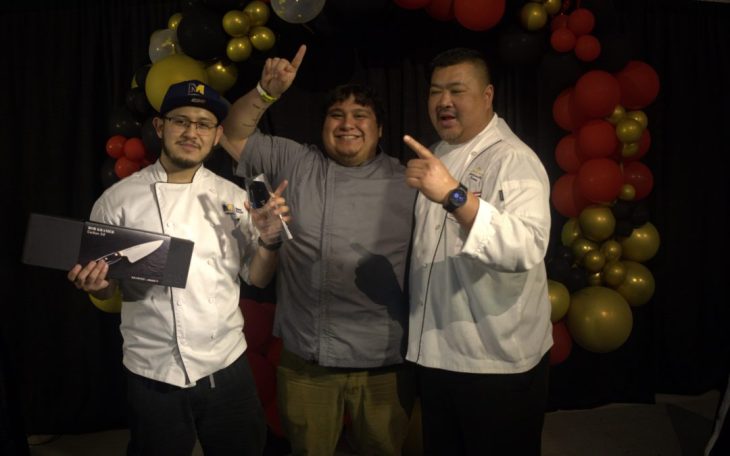
Every kitchen has its defining moments of leadership. Whether it’s a young cook struggling to perfect their first sauce, a nervous line cook attempting to navigate their first hectic service, or a dishwasher who has been plugging away for hours, creating rack after rack of dirty plates as the rest of the team rushes to finish the service, there is a decision to make by the chef in charge.
Do they berate the employee?
Or do they pause, taste the sauce, and say:
“Great job getting started. What would you like to tweak here?”
That’s how a kitchen is built.
Mentoring is one of the greatest traditions within the culinary industry. Not only is knowledge transferred from chef to cook, cook to student, or one generation of kitchens to another, but techniques, discipline, and pride in the work are developed over time. This knowledge cannot be yelled into existence.
But when mentoring works, something amazing occurs.
A kitchen transitions from being merely a workplace, to being an extended family away from home.
You’ll notice this when you see the crew moving with a synchronized motion during service. When you witness quiet support given during pre-service preparation. When you see cooks supporting one another if someone falls behind. These moments don’t occur by chance. They develop due to someone at the top choosing to lead with respect.
I have also been exploring my creative side by converting kitchen culture into music. A song titled “Raise the Crew” emerged from that process.
The concept behind “Raise the Crew” is simple: the most effective chefs elevate the people surrounding them. They provide instruction in the craft, recognize and celebrate good work, and assist the next generation in finding their balance on the line.
Ultimately, the true legacy of a chef isn’t the recipes they create.
Their legacy is the cooks they enable to become chefs.
Kitchens that flourish are the ones where individuals care for one another in a profession characterized by extreme heat, immense pressure, and unrelenting hours. Kitchens where the expectations are high, but the level of respect for everyone involved is even higher.

Kitchens where a leader provides guidance to the crew demonstrating what excellence is and helps them achieve it.
This type of kitchen culture is worthy of celebration.
Note: This song was created using AI music tools based on themes and ideas from my experiences in professional kitchens. The goal of this project is simply to celebrate kitchen culture and the people who make restaurants run.
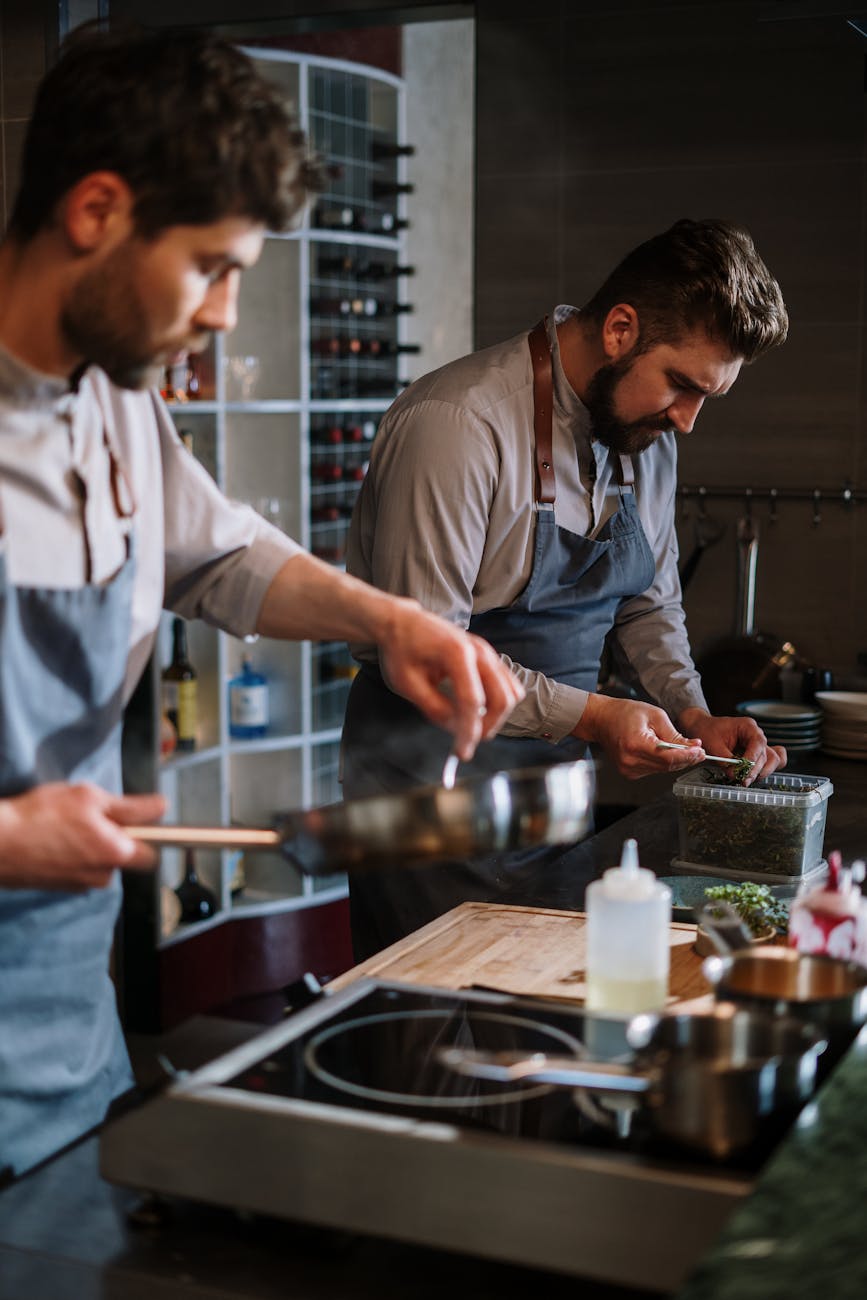
That’s what it means to “Raise The Crew.”
🎧 Kitchen Anthem: Raise the Crew
Inspired by the idea that great chefs don’t just run the line — they raise the crew.


 Culinary Connections